
5 Factors to Consider When Choosing a Prototype Foundry
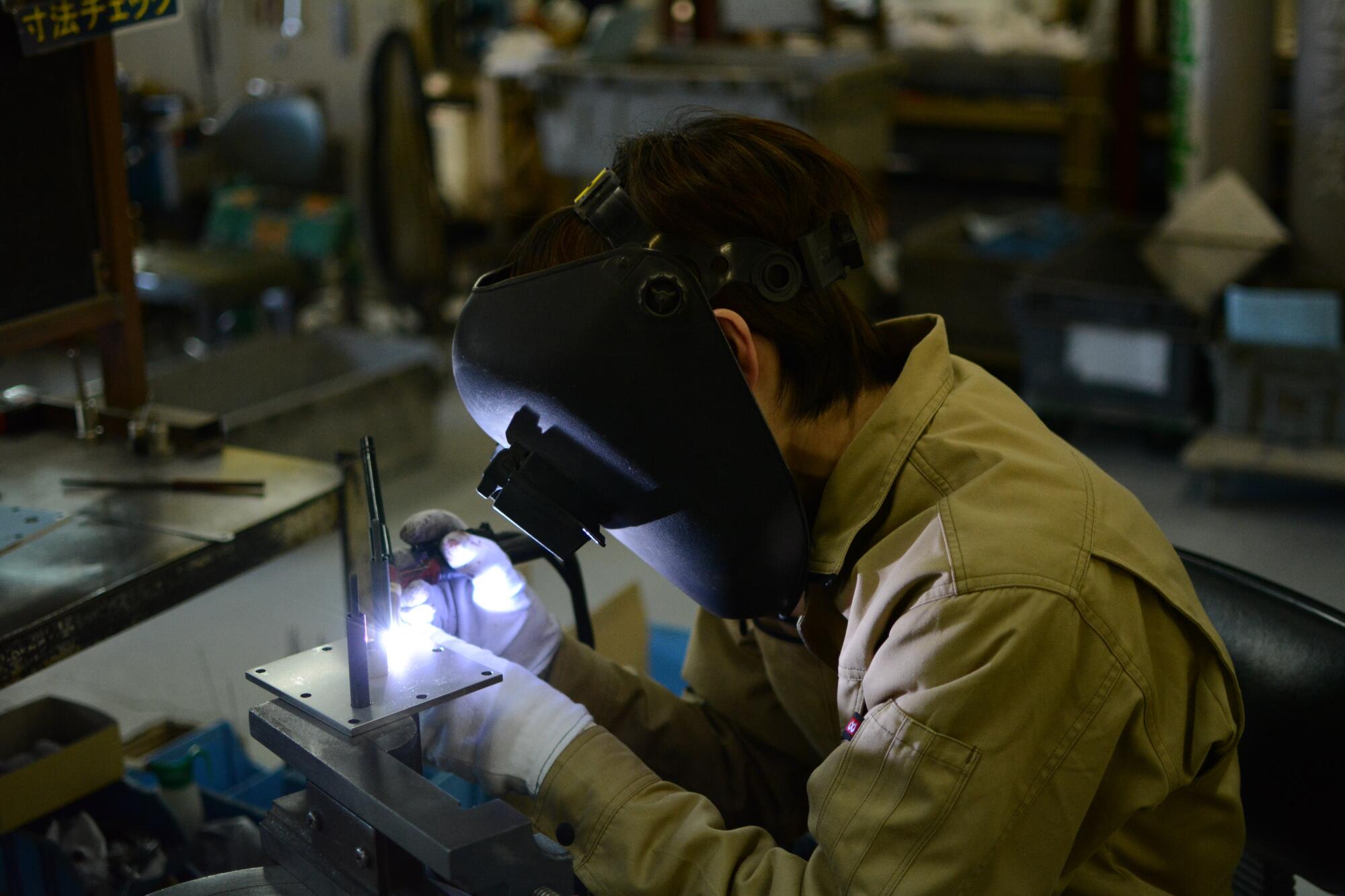
A prototype foundry turns ideas into functional products for testing and validation. Foundries create small-batch builds that cut risk, speed development, and ensure quality. The right partner combines expertise, efficiency, and scalability for a smooth path to production.
Prototyping services are about more than just testing products; these custom prototype fabrication facilities are an essential part of the global supply chain. Just look at TSMC, which transforms early chip concepts into functional silicon used by startups and global tech leaders alike.
These prototypes are key in driving the constantly evolving technology we take for granted.
What Is Prototype Fabrication?
According to TechTarget, the fabrication stage of the prototype development process is when you start making your ideas into something real. Without a prototype, your product is just pixels on a screen or pencil marks on paper.
Rapid prototyping services will take your design and turn it into a real, functional product. While your concept might work in theory, the only way to be sure is through testing. According to NIST, rapid prototyping enables manufacturers to test designs and iterate quickly, reducing both time and cost.
Here are some of the main benefits of prototyping:
- Prototyping helps identify any flaws or oversights in the product before entering full-scale production.
- It reduces costs by preventing expensive manufacturing errors during large-scale output.
- The process ensures your design meets all operational goals and performance standards.
- A working prototype also provides a tangible model to demonstrate to investors and stakeholders.
What Is a Prototype Foundry?
A prototype foundry is a specialized facility that transforms early-stage designs into physical, testable products. Instead of mass producing high volumes of identical products on a production line, these foundries focus on small batches or one-off prototypes used for:
- Validation
- Demonstration
- Further product development
Prototype foundries bridge the gap between concept and full-scale production by providing access to advanced fabrication tools and expertise, without committing to a full product run.
Here are some of the main benefits of prototype foundries:
- Rapid testing and refinement: They enable quick iteration of designs before committing to large manufacturing runs.
- Reduced development risk: Prototype foundries identify technical or design issues early, lowering overall project risk.
- Access to industrial-grade tools: They give startups and research teams access to high-end equipment without major investment.
- Accelerated innovation: These facilities turn digital ideas into functional, real-world products faster.
The next step is finding a prototype foundry that aligns with your goals.
Choosing the Right Prototype Foundry
Choosing the right prototype foundry makes all the difference when you’re trying to get a product off the ground. You need to make sure your chosen industrial design foundries are compatible with your product development aims, budget, and timeline. Here are the five qualities you should consider.
Technical Ability
You’ll need to work with a company with the right technical skills. For example, if you’re designing plastic products, you probably wouldn’t work with metal casting manufacturers. Choose a foundry with technical abilities aligned with your goals.
Turnaround Time
In many industries, getting to market quickly enough can make or break your product. When shopping for a foundry, always ask about production lead times. Make sure they can deliver according to your intended timeline.
Cost Efficiency
Evaluate the foundry’s pricing structure and transparency. Some charge based on material type or complexity, while others charge per batch.
Affordable prototype production allows more budget for testing and design refinement. Look for clear quotes and flexible pricing that fit your development stage.
Quality Standards
Quality assurance determines how accurate and reliable your prototypes will be.
Measurements and finishes need to be consistent for testing to be reliable. Select a foundry with proven quality control systems.
Scalability
A good prototype foundry should support you beyond the testing phase. You might require full-scale manufacturing or small production runs following validation.
Scalable foundries could help you save money by avoiding later, expensive vendor changes. Partner with one that can grow alongside your project.
Frequently Asked Questions
What Are The Five Steps In Prototyping?
Prototyping follows five core stages: concept creation, design, fabrication, testing, and refinement.
- Concept Creation: This stage defines the idea, its purpose, and the problem it aims to solve.
- Design: Engineers or designers create detailed digital or CAD models to visualize how the prototype will function.
- Fabrication: The physical prototype is built using suitable materials and manufacturing methods.
- Testing: The prototype is evaluated to measure performance, reliability, and usability.
- Refinement: Feedback from testing is applied to optimize the design before full production.
How Much Does It Cost To Get A Prototype Made?
The overall expense of a prototype is influenced by how intricate the design is and what materials or processes are used. While simple prototypes may be affordable, intricate designs or specialized materials are going to be pricier.
To attract more clients, some manufacturers provide shared fabrication or low-volume production options. Ideally, you should request a detailed quote before fabrication to ensure the project stays within budget.
Can Anyone Create A Prototype?
With today’s accessible design software and fabrication methods, almost anyone can produce a basic prototype. Working with a professional prototype foundry ensures accurate productions that are sure to be scalable, thanks to the prototype foundry’s expertise. Through such a partnership, your initial ideas evolve into production-ready designs.
Find the Ideal Prototype Foundry Partner
The link between design and manufacturing is prototype fabrication. You can save time, money, and effort by testing real materials, making sure they work, and improving the design.
Partnering with a skilled prototype foundry guarantees technical accuracy, solutions that can be scaled up, and faster delivery, turning your idea into a product that is ready for market.
Speed matters in prototyping. At Griffin Industries, our team here gets things done quickly, accurately, and on a large scale thanks to decades of prototype foundry experience. We help you speed up development without lowering the quality.
Get in touch with us if you want to experience rapid prototype fabrication from experts who know how to meet production deadlines and high standards of technical accuracy.