
5 Exciting Ways Rapid Prototyping Transforms Designs
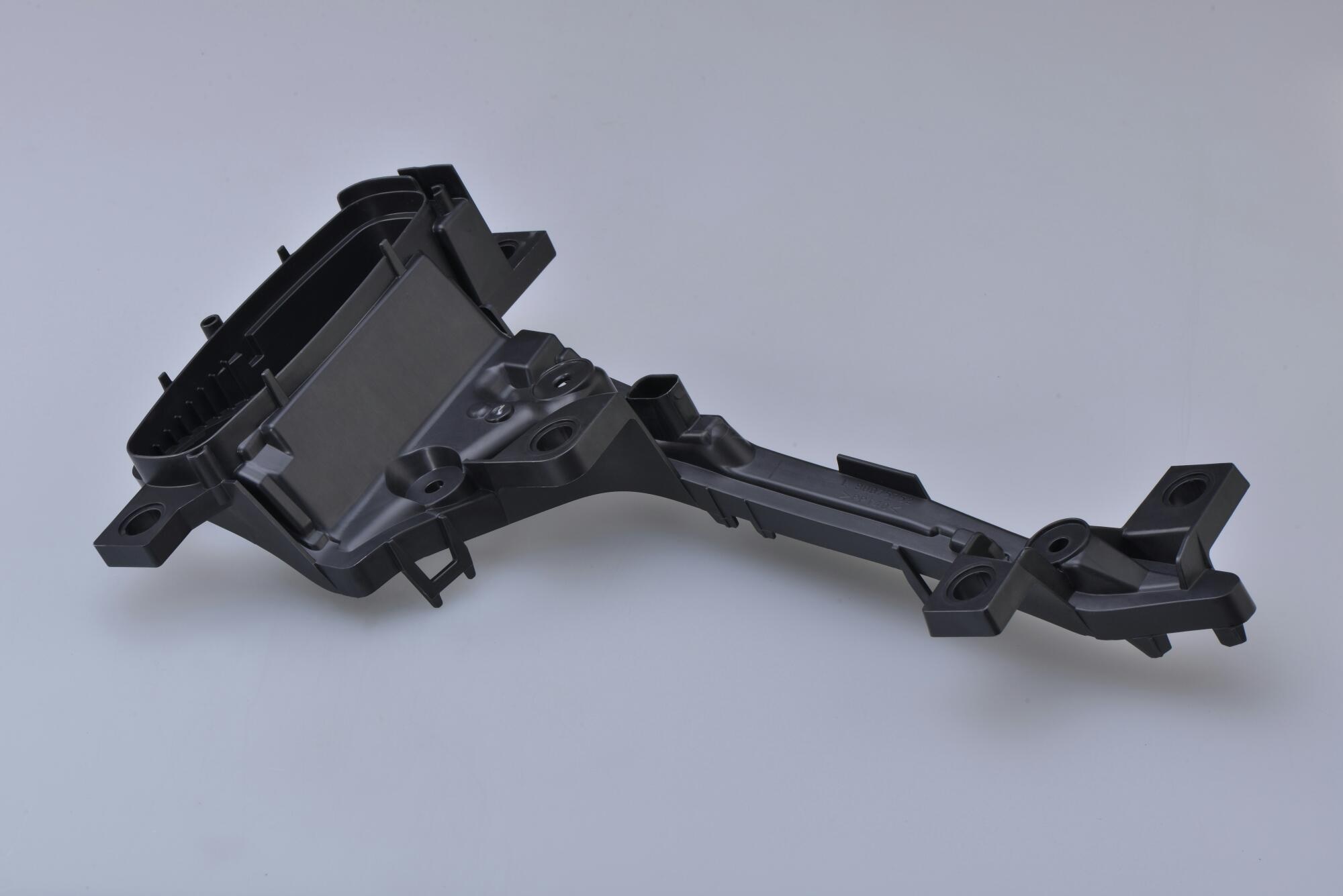
A design that looks good on paper doesn’t always work in the real world. Consider the Tacoma Narrows Bridge, which, according to the Washington State Department of Transportation, collapsed after moderate winds caused the bridge to violently oscillate and collapse. Unfortunately, the early design iterations were not representative of the real-world bridge, with tragic consequences.
Rapid prototyping helps avoid such disasters in product development by letting designers test and evaluate various iterations of their design throughout the development stage. Read on to learn more about how 3D printing and other prototyping tools are helping companies produce reliable products that stand up to real-world conditions.
Let’s explore five exciting ways that rapid prototyping transforms designs and helps companies get quality, reliable products onto the production line.
1. Rapid Prototyping Speeds Up the Design Process
Rapid prototyping compresses the design timeline by quickly producing a testable prototype from CAD data that can be extensively tested, evaluated, and refined via subsequent prototypes with modifications.
In traditional manufacturing workflows, going from an abstract design to a real-world prototype could take weeks or sometimes months. However, innovation strategies involving rapid prototyping cut that timeline down to a matter of days.
Some product design teams can even use a combination of sophisticated digital simulations and rapidly produced physical prototypes, allowing teams to conduct extensive tests of small design changes without slowing down the process.
For example, according to Reuters, Tesla has used such prototyping techniques to shorten the development cycle, making the design and manufacture of new vehicles much quicker than the industry standard of five to seven years.
2. Catch Design Flaws Early Before They Become Costly Problems
The Tacoma Narrows Bridge example demonstrated the devastating impact of design defects found post-production. While most design flaws are not this catastrophic, catching a flaw after product tooling has been committed to can easily cost the company tens of thousands of dollars.
In contrast, catching it via a prototype can cost just a few hundred dollars.
Physical prototypes allow engineers to easily identify problems with things like:
- Wall thickness
- Material compatibility
- Component fit
When you discover these problems with a single prototype, it’s valuable information.
But if you discover such issues when products are rolling off the production line, it’s a nightmare come true. Rapid prototyping assures this never happens.
3. Produce Complex Designs and Faster Iteration
Rapid prototype manufacturing techniques can create complex shapes and tightly coupled parts that would be extremely difficult, if not impossible, to manage with traditional tooling methods. Not only does this result in more representative prototypes, but it also lets designers experiment with configurations and structures that conventional machining could never produce.
Engineers are also free to validate those features in real-world conditions. This can reveal oversights and issues that digital simulations miss.
Designers can then use CAD files to adjust the design and quickly produce multiple prototype iterations, enabling experimentation with different materials and shapes. This helps manufacturers avoid the long timelines that prevented experimentation using traditional methods.
4. Improved Communication Across Teams and Stakeholders
Rapid prototyping also improves the capacity for close collaboration between engineers and other stakeholders. It solves one of the fundamental communication problems in prototype design. 3D renders and CAD designs are often only understood by engineers and other technical stakeholders. Such depictions often go straight over clients’ and production managers’ heads.
Research supports this; for example, a paper from Hannah Budinoff and Julia Kramer stated that virtual prototypes were not as effective as physical prototypes for:
- Feedback
- Communication
- Persuading stakeholders
A physical prototype puts an actual object in the room. When everyone can get up close and see a real product, it’s much easier to have complicated discussions about design features. This cuts down a lot of unproductive back-and-forth explanations and questions between teams.
5. Rapid Prototyping Enables Low Volume Production And Flexible Manufacturing
Rapid prototyping techniques are popular with low-volume production runs because the technologies producing them are inexpensive to set up, particularly when compared to more traditional methods, where the startup cost usually makes higher-volume productions unviable.
Manufacturers in the Green Bay and surrounding areas, doing small production runs, work with companies like Griffin Industries, which provides precision machine prototypes and low-volume production castings in materials like iron and aluminum.
Frequently Asked Questions
How Does Rapid Prototyping Support Regulatory and Compliance Requirements?
Rapid prototyping is more than a design tool; it also plays a role in preparing products for regulatory approval. Engineers can use real-world prototypes to definitively demonstrate compliance with industry standards. Here’s how rapid prototypes help ensure regulatory alignment:
- Early compliance validation: Teams can test whether a design meets safety and performance standards before entering formal certification processes
- Documentation support: Frequent design iterations create a clear record of design changes, which can be used to demonstrate due diligence during audits or approvals
- Risk mitigation: Identifying compliance issues early reduces the chance of failed certifications, recalls, or costly redesigns late in development
How Does Rapid Prototyping Influence Supply Chain and Production Planning?
Rapid prototyping provides practical insights that help teams make more informed decisions about sourcing, manufacturing, and scaling production.
- Component planning clarity: Physical models help define the exact part needed, significantly reducing ambiguity when sourcing materials or suppliers
- Manufacturing alignment: Teams can determine whether designs are better suited for casting, machining, or other processes before committing
- Inventory and scaling insight: Testing small batches allows companies to estimate production needs and avoid overproduction or supply shortages
Discover New Innovation Strategies
As this article has shown, rapid prototyping significantly speeds up production timelines, reduces the cost of errors, improves communication within design teams and with stakeholders, and even unlocks new design possibilities. Perhaps it is best to follow it in their balls low cost productions that would have been otherwise financially nonviable.
If you’re looking for a trusted rapid prototyping partner in Green Bay and the broader area, Griffin Industries is here to help. With precision prototyping and casting services, we have decades of experience in offering high-quality machine casting and prototype manufacturing.
We work with leading defense, construction, and agricultural industries. We aim to offer best-in-class lead time and eliminate unforeseen issues. Contact us today, and let’s discuss what it will take to make your design vision a reality.